Ammonia and hydrocarbon combustion chemistry
Kinetic models for ammonia, hydrogen, and hydrocarbon blends, with emphasis on ignition, flame stability, soot chemistry, cyanide/isocyanide formation, and nitrogen-containing emissions.
Read moreCPC Lab develops multiscale clean-energy science and engineering tools for fuels, combustion, thermal management, process intelligence, and renewable fuel deployment.
Kinetic models for ammonia, hydrogen, and hydrocarbon blends, with emphasis on ignition, flame stability, soot chemistry, cyanide/isocyanide formation, and nitrogen-containing emissions.
Read moreDetailed reaction mechanisms and CFD-ready models linking SAF composition, feedstock pathways, contaminants, soot, contrails, and engine emissions.
Read moreExperimental and numerical analysis of direct immersion liquid cooling for high-power computing modules and data-center thermal management.
Read moreDynamic TEA, LCA, policy assessment, market intelligence, and supply-chain optimization for hydrogen, ammonia, SAF, renewable diesel, biomethane, and synthetic fuels.
Read moreJapan’s Green Growth Strategy Through Achieving Carbon Neutrality in 2050 outlines a strong commitment to decarbonisation through ammonia and hydrogen. Near-term implementation includes approximately 20% ammonia co-firing in existing thermal power plants, with a longer-term trajectory toward ammonia mono-firing.
Ammonia co-firing can reduce carbon dioxide emissions, but fuel interactions, combustion stability, and new pollutant pathways remain incompletely understood. Ammonia can suppress soot precursors by reacting through NH₂ pathways that block key aromatic growth steps, but ammonia-blended fuels can also form hazardous secondary emissions, including cyanide and isocyanide species.
CPC Lab develops comprehensive kinetic models to connect decarbonization strategies with broader environmental and health consequences.
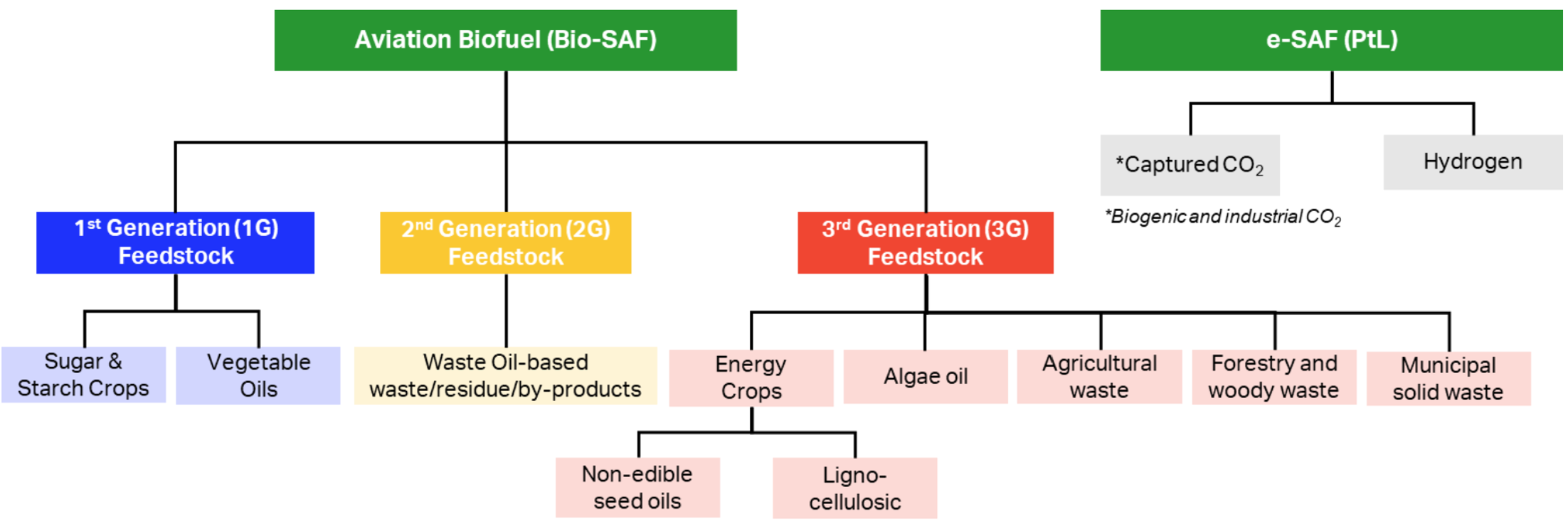
SDG 7SDG 9SDG 13SDG 17Japan’s GX Basic Policy targets approximately 10% sustainable aviation fuel blending in domestic airline fuel consumption by 2030. Long-term aviation decarbonization requires rigorous characterization of SAF feedstocks, production pathways, and trace components.
SAF standards define core specifications, but the effects of contaminants, lubricants, and other trace components remain insufficiently understood across pathways. Non-CO₂ effects, including soot-driven contrail formation and other emissions, are central to aviation climate impact.
CPC Lab develops detailed kinetic reaction models using KAUST FG-Mech methodology and implements these models in computational fluid dynamics simulations of aircraft engines to understand how fuel composition and engine design influence emissions formation.
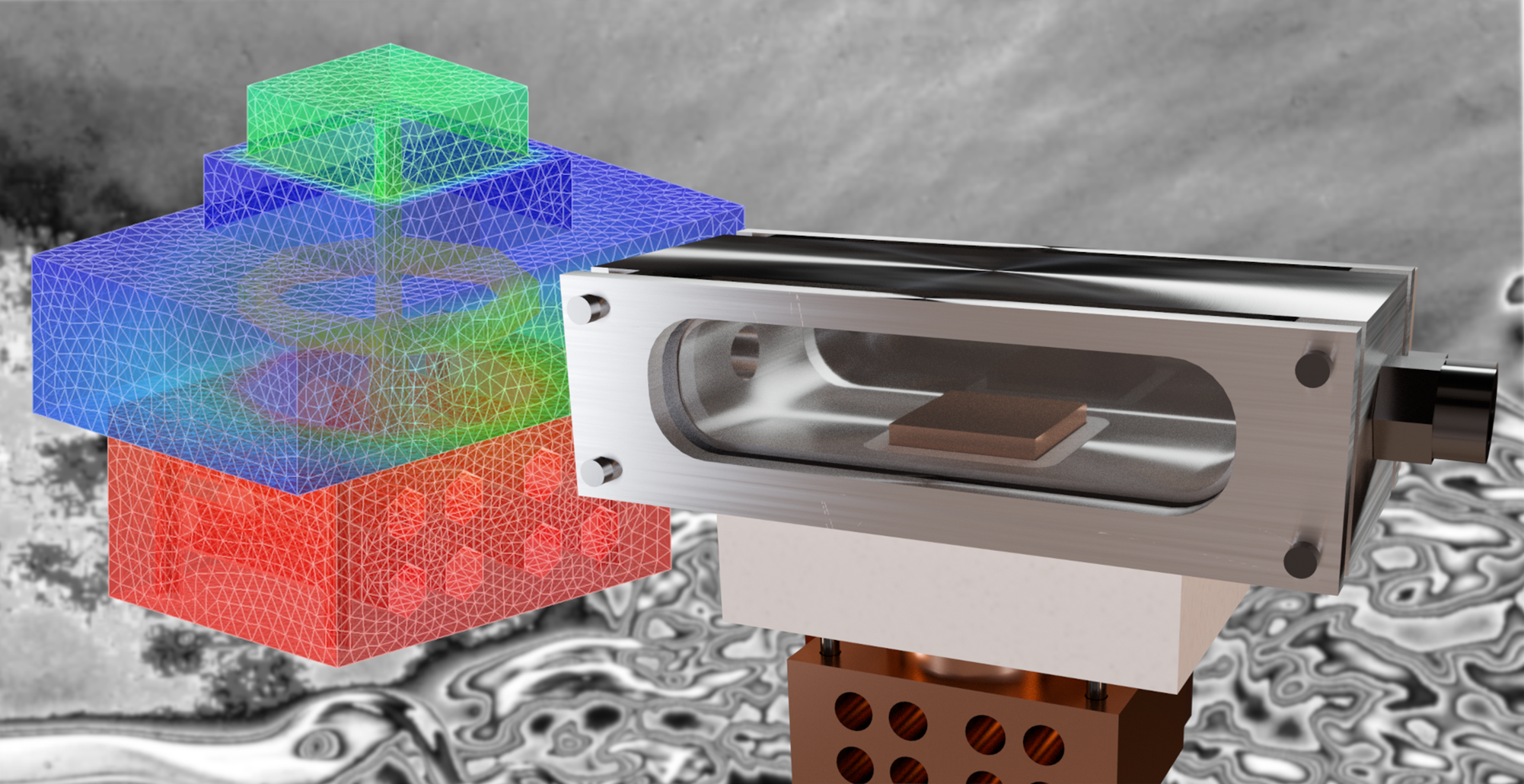
Digital transformation is increasing demand for high-computing-power data centers. The growth of computing infrastructure and power density creates major thermal-management challenges, particularly for advanced GPUs where conventional air cooling and indirect liquid cooling can become limiting.
Direct immersion liquid cooling, in which computing units are submerged in a dielectric cooling liquid, is an emerging solution. CPC Lab studies thermal transport phenomena in direct immersion liquid cooling using phase-shift interferometry imaging, experiments, and numerical modeling.
The project investigates how liquid properties, flow field, and power density influence cooling performance.
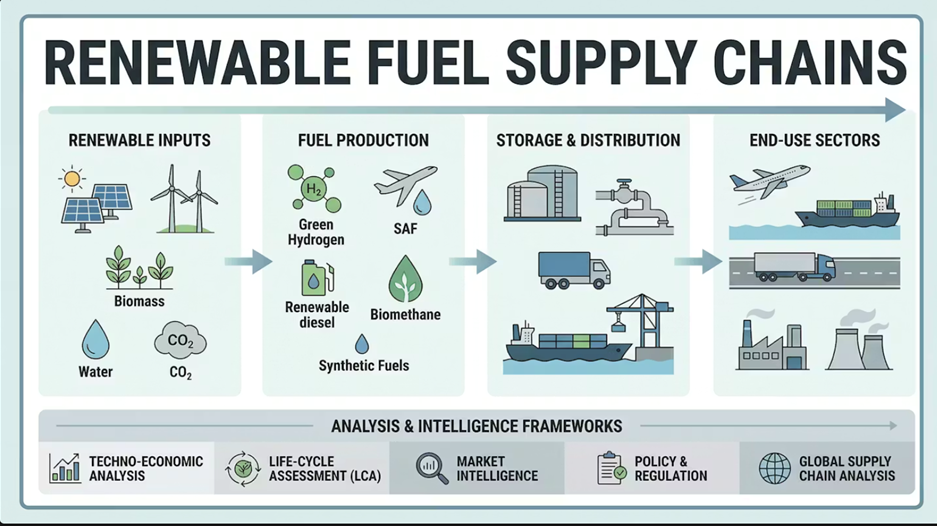
Renewable fuels such as green hydrogen, sustainable aviation fuel, renewable diesel, biomethane, ammonia, and other synthetic fuels can decarbonize sectors that are difficult to electrify, including aviation, shipping, heavy-duty transport, power generation, and industry.
Large-scale deployment is constrained by production cost, location, infrastructure, logistics, market conditions, end-use requirements, and evolving policy and compliance frameworks. CPC Lab develops integrated modeling frameworks for renewable fuel supply chains.
The work combines dynamic techno-economic analysis, life-cycle assessment, global supply-chain analysis, market intelligence, and policy landscape assessment to design resilient, cost-effective, and fit-for-purpose renewable fuel systems.